With Summer in Full Swing, Keep These Tips in Mind If You Are Taking Your Pet with You on Vacation
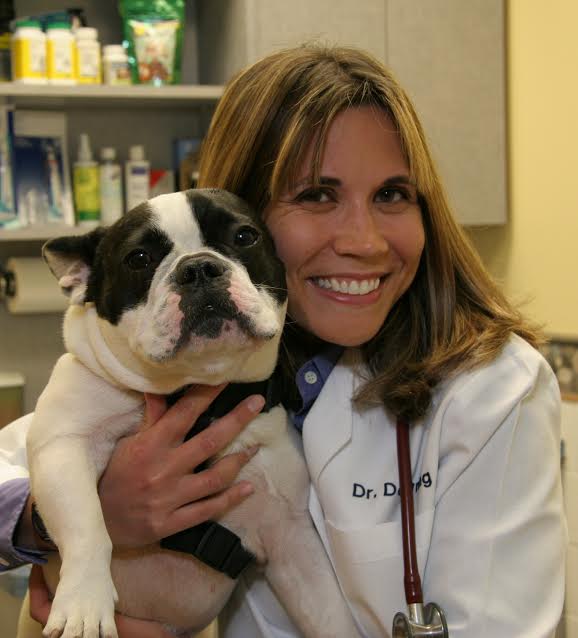
Jessica E. Downing, DVM, Valley Cottage Animal Hospital, Rockland, NY
Rockland, NY, JULY 18, 2017 -- According to MarketResarch.com nearly one third of dog owners take their pets with them if they are going away for two or more nights. GoPetFriendly.com puts that number even higher at 51% and three quarters of those respondents will travel by car.
So how can you ensure the safest trip possible with your pet? Here are a few tips from Dr. Jessica Downing of Valley Cottage Animal Hospital.
Hitting the Road
First and foremost, pets, including dogs, cats or other animals, should never be allowed to roam freely in a moving vehicle. We wear our seatbelts and secure our children with seatbelts and our pets should be secured the same way. They can be placed inside a carrier which is then secured with a seatbelt to ensure it won’t get tossed around in an accident. Pets can also be restrained with a pet-friendly harness. It is important that the restraint be the proper size secured appropriately when your dog is in your car. Even if your dog falls asleep during the ride, stopping short can send your furry friend hurdling forward causing injury. Another tip is to keep your pet restrained in the backseat as airbag systems can be deadly to a dog during a crash if they are in the front seat.
Knowing that your dog or cat is safely secured in the vehicle will also reduce your desire to turn around and check on them, thus taking your eyes and attention off the road.
Air Travel
If you are travelling by air, consider a pet-friendly airline. According to the Federal Aviation Administration, each airline is able to decide their own policies and procedures and some do not allow pets to travel in the cabin. Call the airline ahead of time to ask for their specific policies and requirements. Keep in mind that service animals are not pets, they are working animals that assist people with disabilities and therefore they do not need any health certificates to travel and do not need to be confined in a container or crate.
Avoid placing your pet underneath the plane and instead find out if they can be in the cabin with you. Poor ventilation, extreme temperatures and loud engine noise can have devastating, sometimes deadly consequences for pets placed in the cargo area. Remember that pet containers must be small enough to fit underneath the seat without blocking anyone and must remain properly stowed the entire time the plane is moving. Keep in mind that each airline will have a list of types of pets that can be brought into the cabin as well as a limit on the number that can be on each flight, they may also have requirements that your pet be harmless, odorless and more. There may be an additional charge for the pet to fly with you even if they are safely stowed underneath your seat.
Ensuring Anxious Free Travel
If you know that your pet becomes anxious while travelling, consult your veterinarian
about anti-anxiety medication to make the experience less stressful for both you and your pet. Always bring your pet’s regular food with you to avoid digestive upset. It is also a good idea to carry an extra supply of your pet’s medication and a copy of your pet’s medical records. Lastly, for all interstate and international travel, whether by land or air, a health certificate, provided by your veterinarian, is required. This certificate serves as your pet’s vaccination record and states that your pet is free of all contagious diseases.
What If….
If your furry family member can’t go with you, consider leaving them at home with a pet sitter or in a local boarding facility. Young, active pets may benefit from staying at a kennel that offers playtime with other pets that are boarding. Anxious pets may be most content if left at home with a pet sitter, where their daily routine can be closely adhered to. Elderly pets or those with serious medical needs may be safest if they board at their veterinarian’s clinic/hospital. Ask your veterinarian for reliable pet sitters or kennels in your area.
Wherever you choose to board your pet, make sure that they are fully up-to-date on their vaccinations. Respiratory infections, such as infectious tracheobronchitis (a.k.a. kennel cough) and canine influenza, have been widespread among the canine population this season. Upper respiratory viruses, such as herpesvirus and calicivirus, have also been particularly virulent amongst felines over the past several months. In order to provide maximum protection against these respiratory diseases, have your pets vaccinated by your veterinarian 1-2 months prior to boarding. This will allow your pet’s immune system to mount an adequate protective response against these diseases. Vaccines administered immediately prior to your pet’s stay at a kennel provide little protection.
Lastly, always provide your pet sitter or kennel staff with a permission letter should they need to seek medical care for your pet while you are away. Alert your veterinarian of your wishes for your pet’s medical care should they need to provide medical assistance/advice in your absence.
Valley Cottage Animal Hospital was recently named one of the Top Four Animal Hospitals in North America by the American Animal Hospital Association (AAHA). They are the first Animal Hospital in the New York Metro area to ever receive this prestigious recognition. The Hospital is open 24 hours a day, seven days a week and provides medical care to dogs, cats, birds, rabbits, pocket pets, snakes and more. As a full-service veterinary clinic, Valley Cottage Animal Hospital provides wellness exams, vaccinations, diagnostic care and surgical procedures as well as 24/7 emergency care and offers a mobile care van for home visits. For more information visit www.valleycottageanimalhospital.com or call (845) 268-9263.
Dr. Downing has been a general practitioner and emergency veterinarian at the Valley Cottage Animal Hospital since 2005. As a co-owner of the hospital, Dr. Downing oversees the emergency side of the practice. Dr. Downing grew up in upstate New York and completed her veterinary education at the New York State Veterinary College at Cornell University.
These items are available at Amazon.com. Click images for further information.
Notice: This post may contain affiliate links. If you click a link and make a purchase, we may financially benefit from your transaction, at no additional cost to you. Thank you for your support.
------------------------------------------------------------------------------------------------------
Please be sure to visit David over at
Random Thoughts and Observations.
I respond to all comments on this blog, ideally within 24 hours. Please check back here for a response to your comment. Thank you!
Please subscribe to David's YouTube Channel. Thanks!


 We are not hikers. We have been to state and national parks. However, Base Camp Las Vegas: 101 Hikes in the Southwest by Deborah Wall has made us really want to go on some of the hikes she describes.







 Posts
Posts